At the Table
How to Store Fresh Bread Without Ruining It
The right storage method depends on the loaf and when you plan to eat it. A crusty boule and a soft sandwich loaf do not want exactly the same environment.
Field note 01
For today and tomorrow
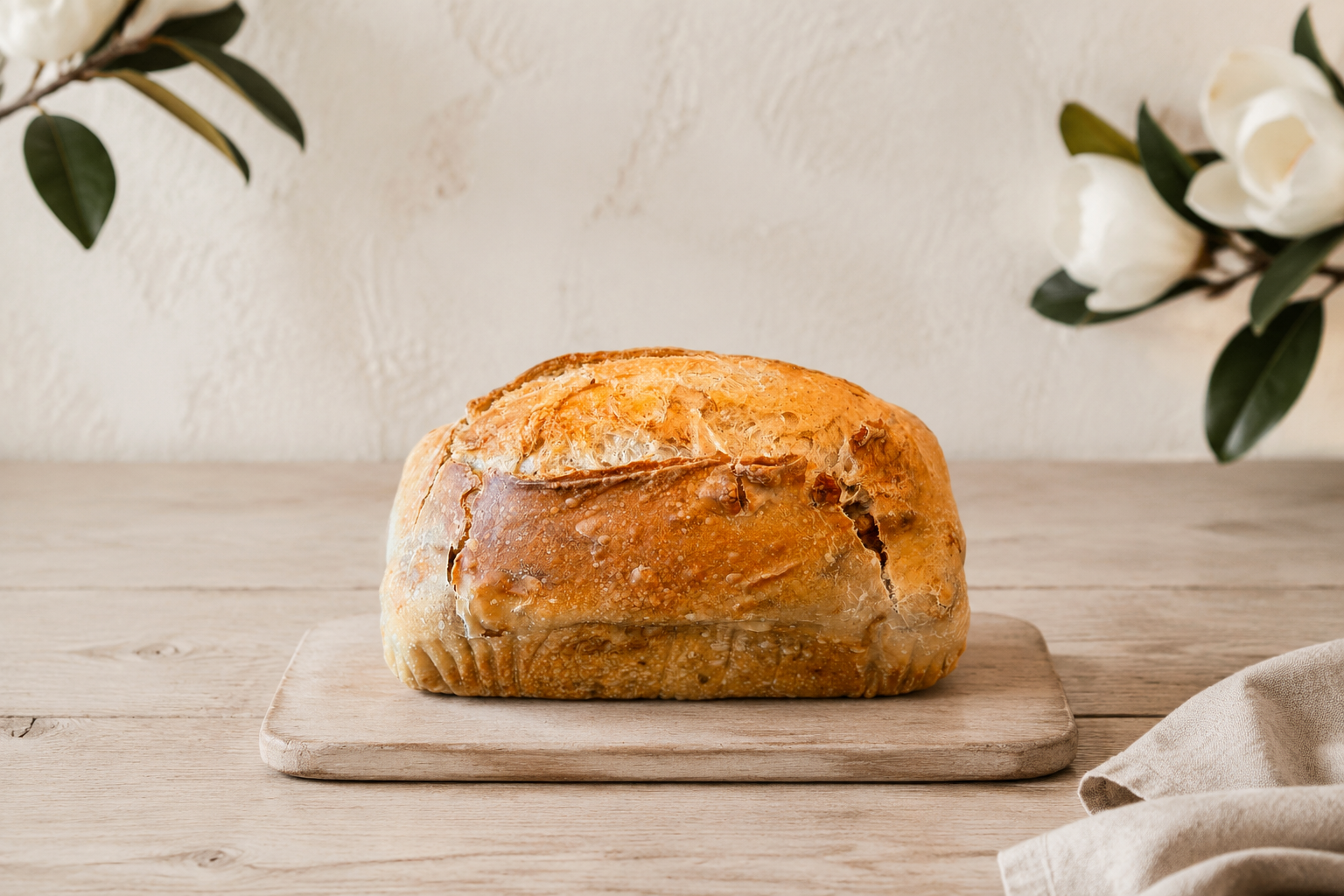
If a crusty loaf will be finished quickly, protect its cut face. Placing the cut side down on a clean board can slow moisture loss while allowing the exterior to breathe. A soft loaf generally benefits from a more closed environment.
Keep all bread away from direct sunlight, heat, and excess humidity. The prettiest counter is not always the gentlest place for a loaf.
Field note 02
Why the refrigerator disappoints
Cold storage feels like the obvious way to extend freshness, but normal refrigeration accelerates the staling process in bread. Unless a specific product requires refrigeration for another ingredient, freezing is usually the better long-term answer.
Field note 03
Freeze the bread while it is still good
- Slice first when you want single-serving convenience
- Wrap portions well to limit freezer exposure
- Freeze before the loaf has already gone stale
- Toast slices from frozen or thaw them while covered
Field note 04
Choosing a bread bag
A simple reusable bag offers basic protection. A lined zipper bag provides a more controlled environment. A beeswax-lined cotton bag balances protection with a natural, reusable format and is especially useful for customers who routinely bring home artisan loaves.
The useful question is not which bag has the fanciest name. It is which environment suits your loaf and eating timeline.
Field note 05
Refresh with intention
A whole rustic loaf can often be refreshed with a little moisture and a short period in a warm oven. Slices respond well to toasting. Use enough heat to restore texture, not so much that you perform an unwanted second bake.
Storage slows change; it never stops it. Freeze what you will not reasonably eat while it is fresh.